There’s no formula for a perfect workspace. What matters is how it makes you feel the moment you sit down. For some, it’s the soft clack of keys in a quiet room. For others, it’s the view outside the window, a mug nearby, and a sense of lightness on the desk. The home office isn’t defined by size or tools – it’s shaped by rhythm, intention, and comfort.
Light that supports momentum
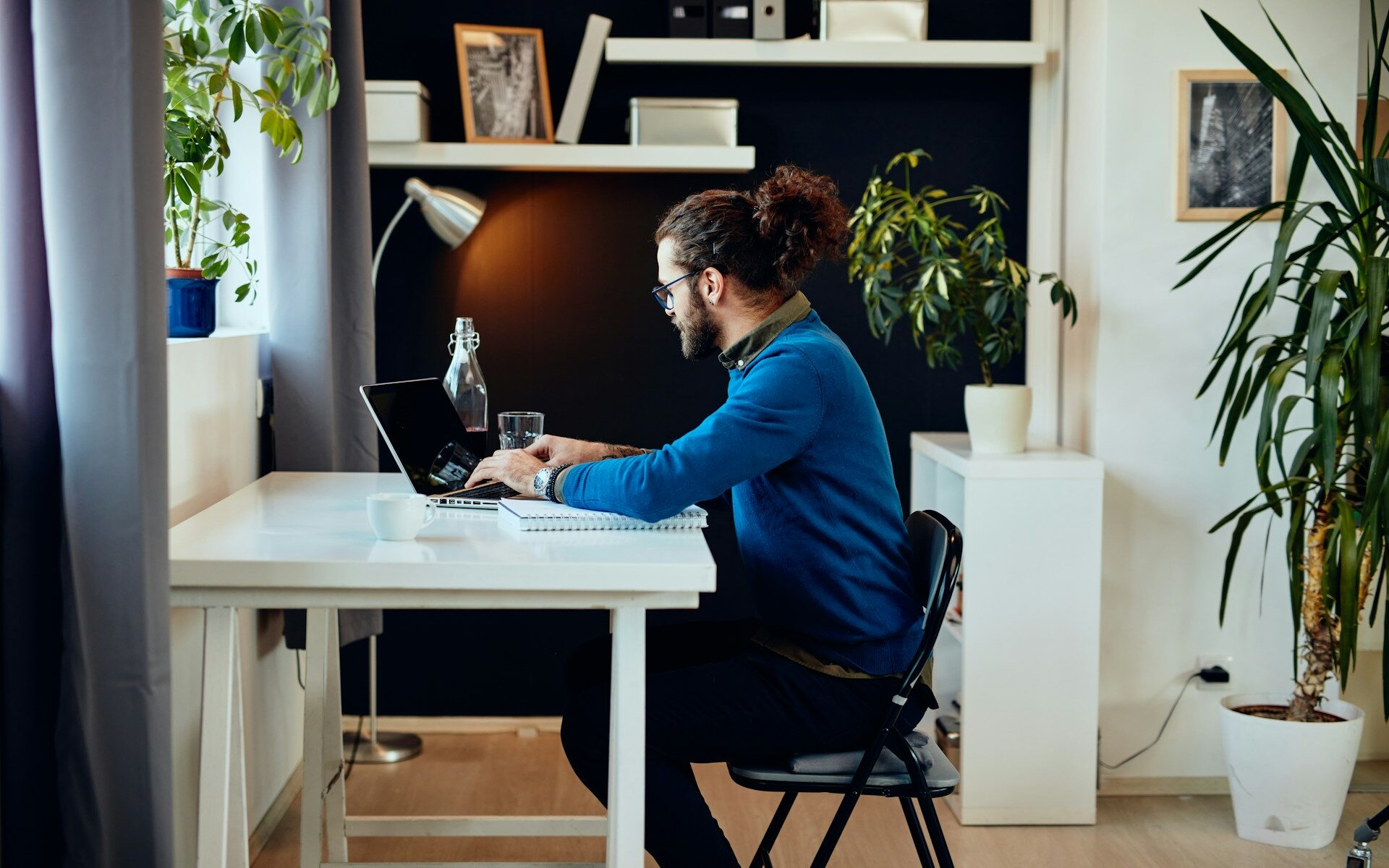
The lighting in your workspace can either fuel your progress or slowly wear you down. A warm tone in the early hours may help you ease into the day, while cooler tones push you through focus-heavy sessions. If natural light is limited, don’t default to overhead bulbs. A desk lamp angled just right can change everything – no glare, no shadow, just clarity.
Curtains that soften the afternoon sun, blinds that let you filter brightness – these details don’t just shape the space, they shape your pace.
Home office seating – beyond posture
Chairs are often judged by how ergonomic they are. But comfort isn’t about features alone. It’s about how you move in the chair, how your spine settles after an hour, and how your arms naturally find the desk. A home office chair should allow for stillness and stretch alike. If you shift often, find a chair that moves with you. If you prefer quiet grounding, choose one that stays firm under pressure.
And never underestimate the role of foot placement – a sturdy footrest or a simple block of wood can change the way your whole body aligns.

Surfaces with space to think
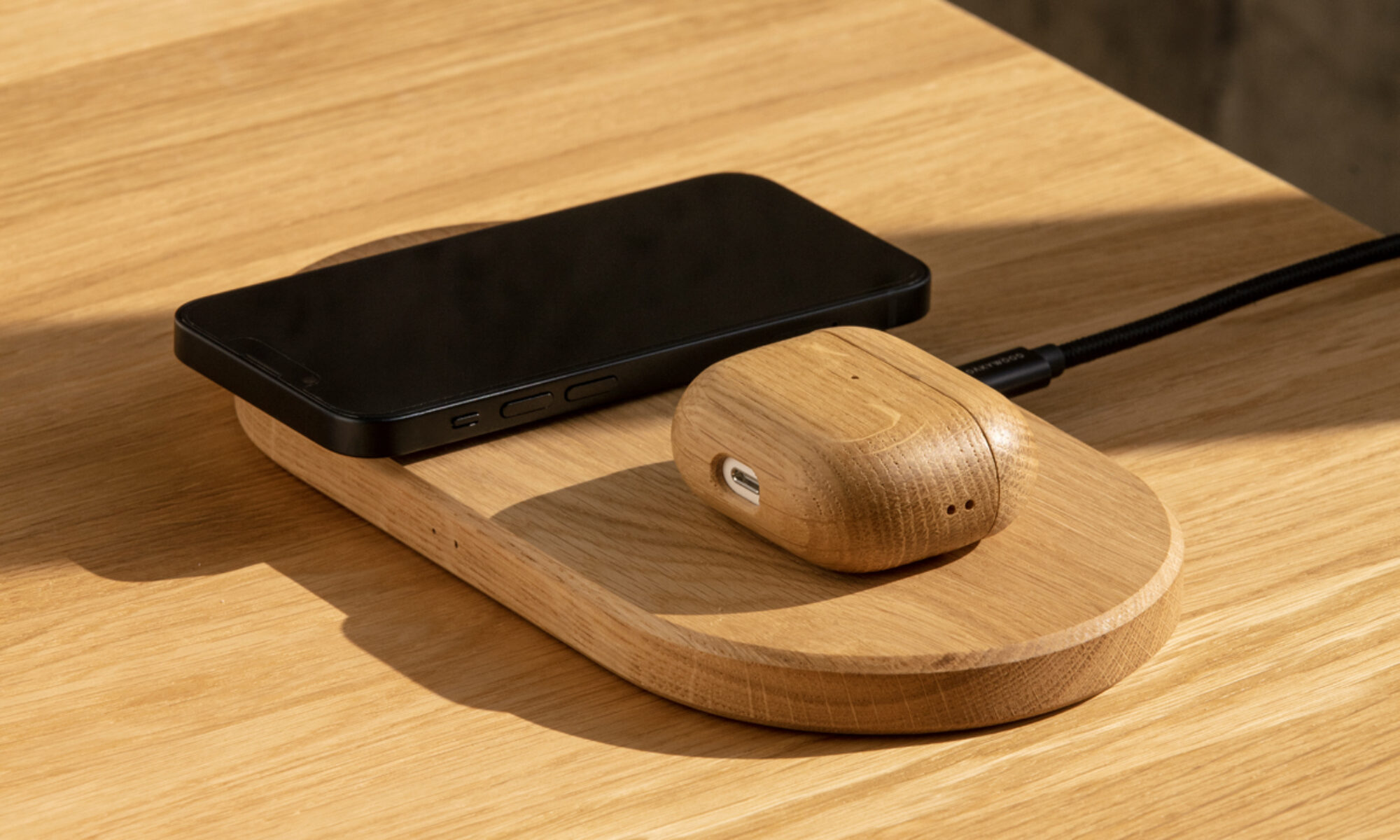
Your desk isn’t just a surface. It’s where thoughts unfold, projects begin, and tasks take form. A cluttered desk makes clarity harder to find. But emptiness isn’t the goal either. The best setups offer enough room to spread out, jot notes, move between screens – without knocking into coffee cups or chargers.
That balance is personal. For some, it’s a wide wooden desk with a dedicated space for each tool. For others, it’s a compact setup with vertical storage and a single notebook. Either way, the desk should invite focus, not force it.
Home office cues that shift your mindset
What tells your brain that work has begun? For many, it’s the gentle ritual – switching on a lamp, adjusting the laptop stand, putting on noise-cancelling headphones. These cues matter. They don’t just shape the physical environment – they anchor your mindset.
Even scent plays a role. A candle lit before a video call, a diffuser in the background – these quiet signals can be more powerful than any productivity app.
Leaving work, staying home
The hardest part of working from home often comes at the end of the day. Without a commute or a change in surroundings, it’s easy to blur the line between effort and rest. But the home office can help here too.
Close your notebook. Shut the drawer. Turn off the light. Let your space shift. When the day ends, the environment should say so. And over time, that small transition helps you protect your evenings, your weekends, your sense of separation.